Authorities Probe Trump Shooter’s Motive - But This Isn’t Rational Behavior
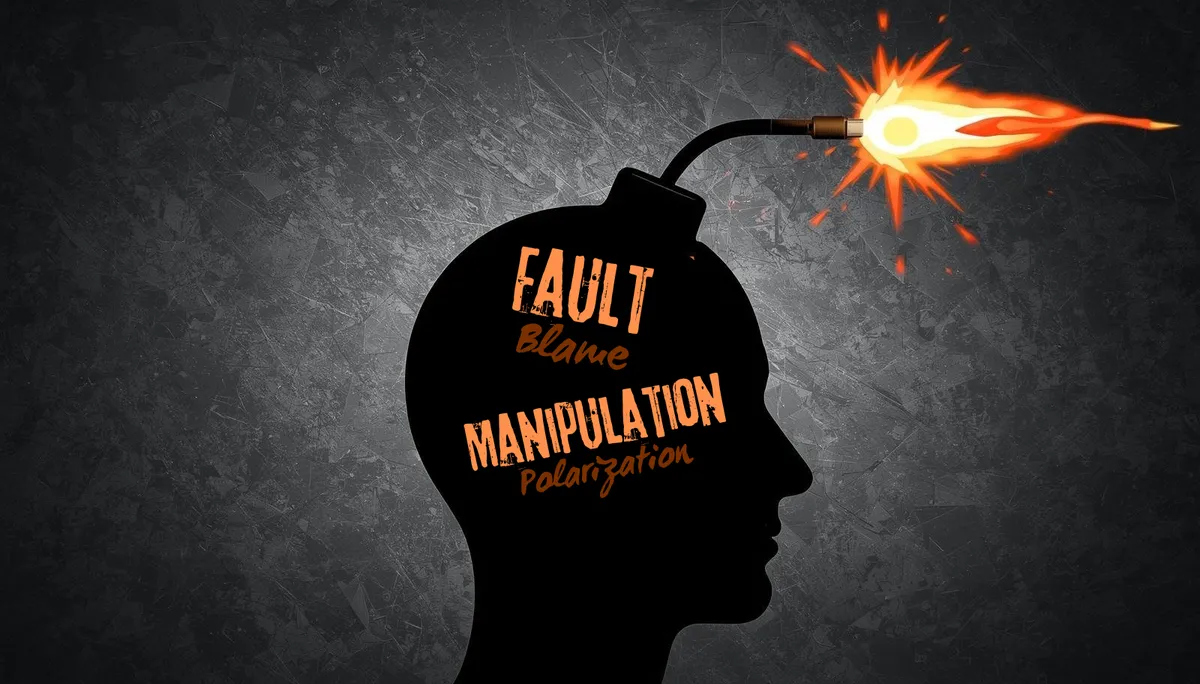
Individual Violence Isn’t a Rational Political Act
After incidents like the recent attempt by Cole Tomas Allen on Donald Trump, the public conversation quickly turns to blame, usually aimed at specific rhetoric or a political opponent.
But step back for a moment.
Internal shooter logic like: “I’m unhappy about healthcare, so I’ll shoot a CEO” or “I’m angry about immigration, so I’ll target public officials” is not political reasoning. It’s a breakdown in reasoning.
That leap from grievance to violence is not something most people, regardless of ideology, are capable of making.
Why Blaming Specific Rhetoric Falls Short
It’s tempting to draw a straight line: someone said something → someone acted on it. But that assumes a rational chain of influence.
In reality, unstable individuals often appropriate whatever narrative is available to justify actions that originate elsewhere. If one set of rhetoric didn’t exist, another likely would.
That’s why blaming a specific statement or speaker often misses the mark.
The Missing Piece: Instability Meets Isolation
Most of these individuals involved show signs of Psychological instability or impaired judgment. Often they are socially isolated.
This doesn’t mean ideas don’t matter. But it does mean the person acting is often not processing those ideas in a grounded or socially moderated way.
Where Tone Does Matter
There is a more defensible argument around rhetoric tone.
A culture saturated with hostility, absolutism, and dehumanization can create an environment where:
- extreme interpretations feel more plausible.
- Opponents are seen less as people and more as symbols.
- The “distance” to violence feels shorter for those already on edge.
Tone doesn’t cause violence directly but it can lower the barrier for those already unstable.
The Deeper Shift: Fragmented Society
A bigger, less discussed factor is how people live now.
Many individuals, especially those prone to obsessive or distorted thinking are:
- Spending large amounts of time in algorithm-driven online spaces.
- Exposed to reinforcing viewpoints without challenge
- Lacking regular, grounded interaction in real-world communities
Historically, institutions like churches, civic groups, and local communities provided a kind of informal reality check. Not perfect, but present.
Today, that moderating influence is weaker. And for someone already drifting, there may be no one close enough to say: “This line of thinking isn’t right.”
If the Goal Is Prevention
If we actually want fewer of these incidents, the focus has to move beyond political blame:
- Strengthening real-world social connections
- Recognizing warning signs of fixation and instability
- Encouraging environments where ideas are challenged, not just reinforced
These are harder conversations than arguing about who said what. But they’re closer to the truth.
Final Thought
Blaming a political opponent may feel satisfying. But it assumes a level of rationality in these acts that often isn’t there.
A more uncomfortable reality is this: Violence like this tends to emerge where instability, isolation, and a permissive cultural tone intersect.
That’s a broader problem and a more important one to understand.
~David Henson, Citizen Octopus
####About the Author
David Henson is an inventor, publisher, writer and founder of Citizen Octopus, a site focused on analyzing systems, incentives, and how information shapes perception.